OPEN HARDWARE. REAL POSSIBILITIES.

Build it.
Program it.
Wear it.

An open smartwatch platform for developers, researchers and ideas worth wearing.

Hardware, firmware and mechanics. Yours to explore.

HACKTOR / 2.0 Hacktor Watch with a round analog watchface, black case and yellow strap DESIGNED TO BE OPENED.
ESP32-S3Dual-core · Wi-Fi + BLE
32 MB + 8 MBExternal flash + PSRAM
240 × 240Round LCD · capacitive touch
Your choice.Arduino · NuttX · Zephyr

01 / WHY WE BUILT IT

Your wrist.
Your data.
Your next idea.

We wanted a platform to collect and process wrist data, with hardware and software we could change. So we built one.

Hacktor Watch brings sensors, a display, connectivity and audio into something you can actually wear. Start with the existing designs, write your own application, and see what happens when your code leaves the desk.

Find your starting point
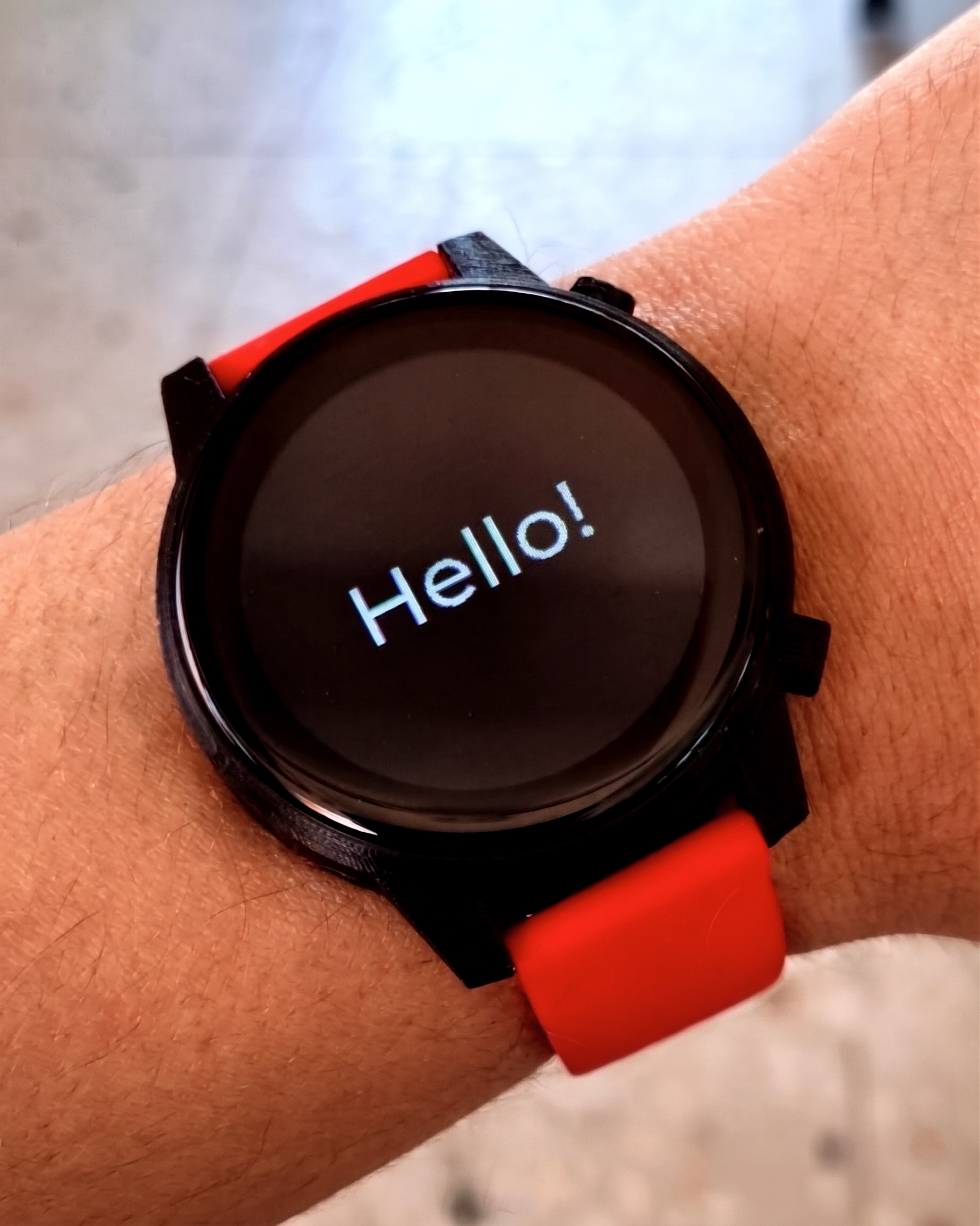
A real Hacktor Watch prototype worn on the wrist, displaying Hello!
001 The first milestone: make it say hello.

02 / OPEN IT UP

Small board.
Room to experiment.

A wearable is a whole system.
Get to know the parts you can build with.

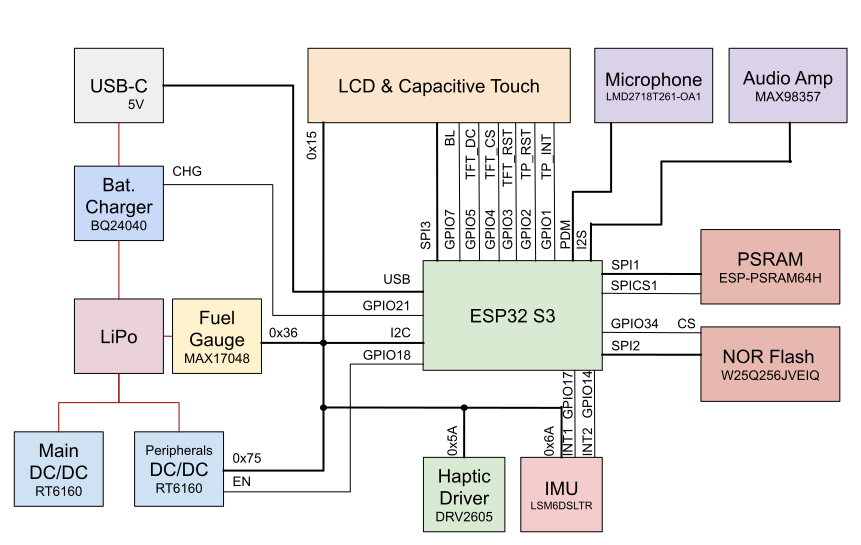
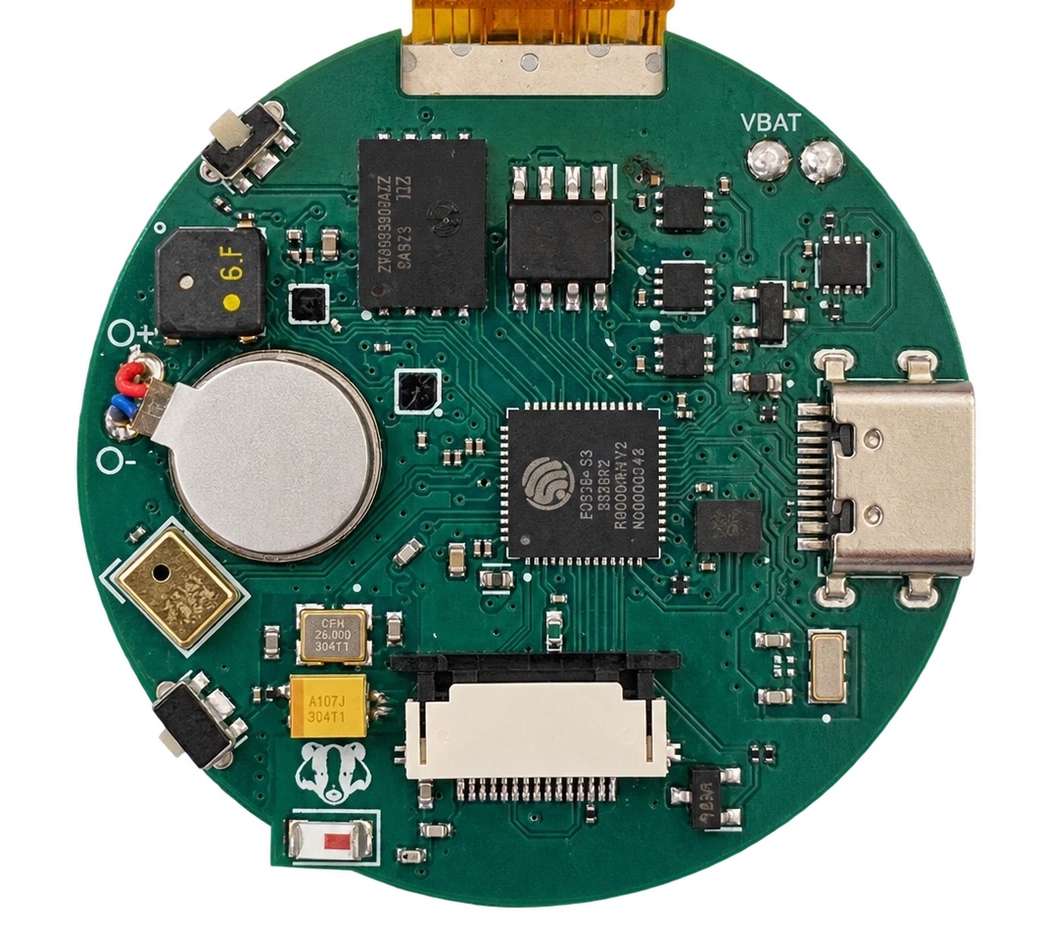
Front of the real Hacktor Watch PCB, showing the ESP32-S3, memory, haptic motor, USB-C and display ribbon HACKTOR WATCH 2.0 / PCB

01 / COMPUTE

ESP32-S3

The heart of the experiment.

A dual-core microcontroller with Wi-Fi and Bluetooth Low Energy, ready for sensor acquisition, your interface and application logic.

Processor
Dual-core · up to 240 MHz
Internal SRAM
512 kB
Connectivity
Wi-Fi + Bluetooth LE

Hardware capabilities. Driver and application support depend on the firmware you choose.

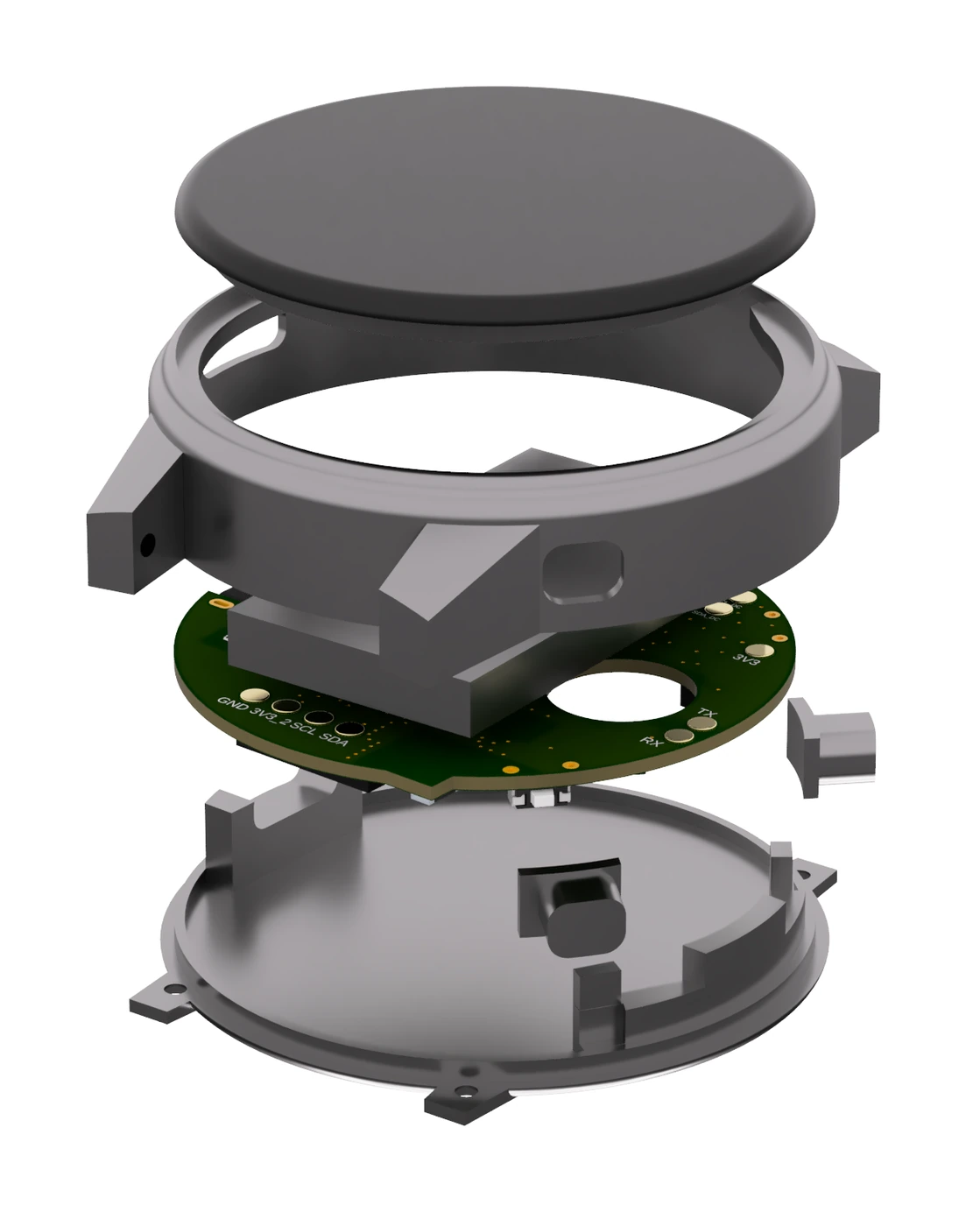
Exploded CAD view showing the layers of the Hacktor Watch enclosure and assembly Explore the layers
Mechanical CAD / from the project repository

03 / MAKE IT YOURS

Open beyond
the code.

The enclosure is part of the platform, too.

Explore the case, understand the assembly and adapt the physical design to your project. The mechanical files live alongside the electronics and firmware.

Get the mechanical files
Explore the assemblyAdapt the enclosureBuild your own

04 / CHOOSE YOUR SOFTWARE

One platform.
More than one way in.

Start with the tools you know.
Explore another stack when you’re ready.

ZEPHYR / LVGL

Describe the board.
Build the behaviour.

Use Devicetree for the wiring, Kconfig for the software choices, and C for your application. The current source includes an LVGL analog face, motion and battery code.

  • Devicetree + Kconfig configuration
  • LVGL watchface and complications
  • IMU step counter and battery polling
Explore the Zephyr app
YOUR APPLICATION
watch_app/
├── CMakeLists.txt
├── app.overlay   # the wiring
├── prj.conf      # the pieces
└── src/
    ├── main.c
    └── panel.c   # the behaviour

Each stack has its own implementation and supported features. Follow the linked source for its current status.

05 / LEARN FROM THE WHOLE DEVICE

Ideas meet
the real world.

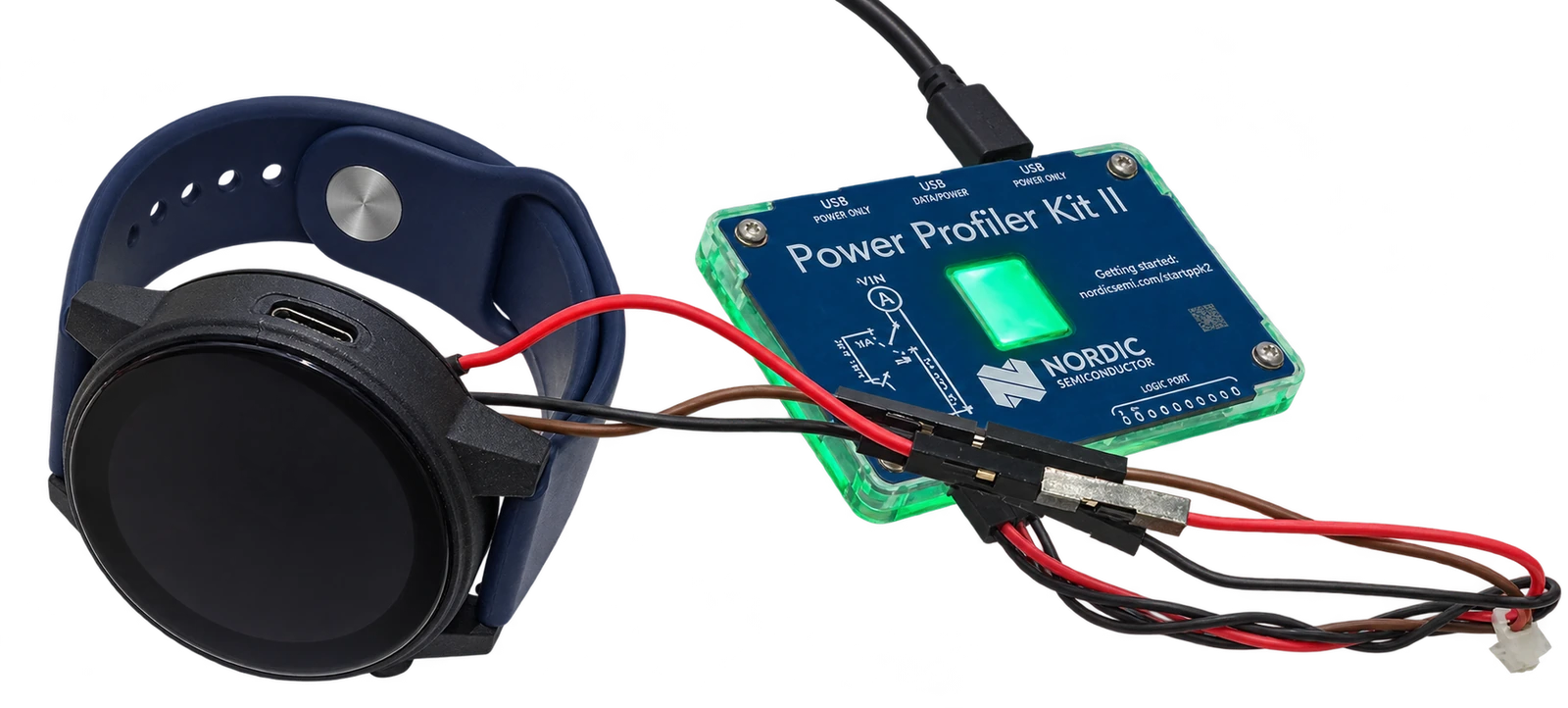
Pixels use memory. Radios use energy. Sensors have timing requirements. Hacktor is a place to understand those trade-offs through the device you’re building.

Start your first experiment
Real Hacktor Watch and Nordic Power Profiler Kit setup on the workbench
From the workbench: watch + Power Profiler Kit.

06 / BUILT IN THE OPEN

Take a look.
Take it further.

Explore the source, share an experiment,
or help make the next version better.

A project by Dan Ștefan Tudose and the community.
Hardware design by Radu Pascale.

Find us on GitHub

DEVELOPER KIT / PCB ENQUIRIES

What will
you build?

An idea, an experiment, a question.

Interested in a developer kit or PCB? Write to us about what you’d like to build.

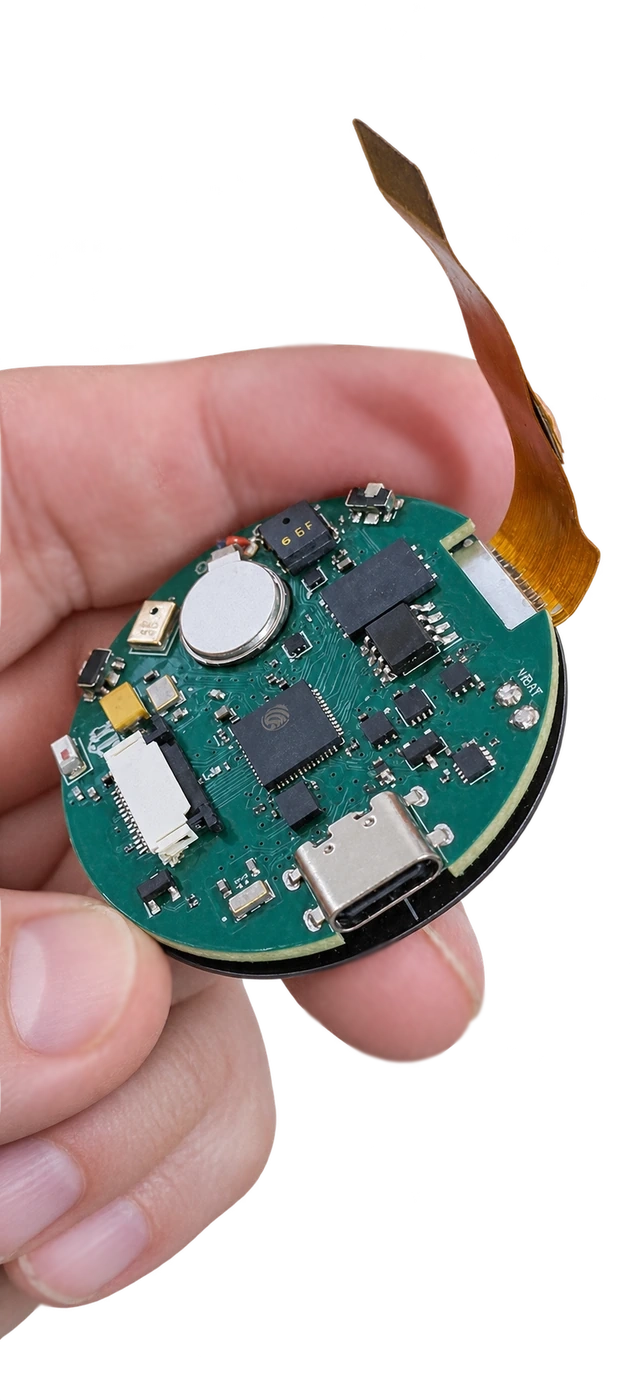
Hacktor Watch board held between fingers to show its physical scale
LET’S TALK HACKTOR

Write to us.

Developer kits, PCBs, collaborations or your next wearable experiment. Get in touch with the Hacktor Watch team.

contact@hacktorwatch.com
Write an email

Use your email app, or copy the address.

Explore the project on GitHub

We’ll use your message to respond to your enquiry. Privacy details

A FEW THINGS TO KNOW

Good questions.

Is Hacktor a finished consumer smartwatch?

Hacktor is an open wearable platform for development and experimentation. For PCB and developer-kit enquiries, contact the project team. Package contents and availability will be announced when they are defined.

Can I build one myself?

The hardware, firmware and mechanical designs are published in the project repositories. Start with the design files and the instructions for your chosen firmware. Assembly requires appropriate electronics tools and experience.

Which firmware should I start with?

Arduino is a practical route for rapid experiments. NuttX offers a POSIX-oriented environment, while Zephyr combines an RTOS, hardware description and configurable services. Explore the software section for the current examples and supported features.

Can the watch run local machine learning?

A small wake-word detector has run on Hacktor Watch using TensorFlow Lite Micro. Model size, working memory, audio processing and listening time all affect what fits your application.

How can I ask about a PCB or developer kit?

Write to contact@hacktorwatch.com and tell us what you’d like to build. An enquiry does not place an order or involve a payment.